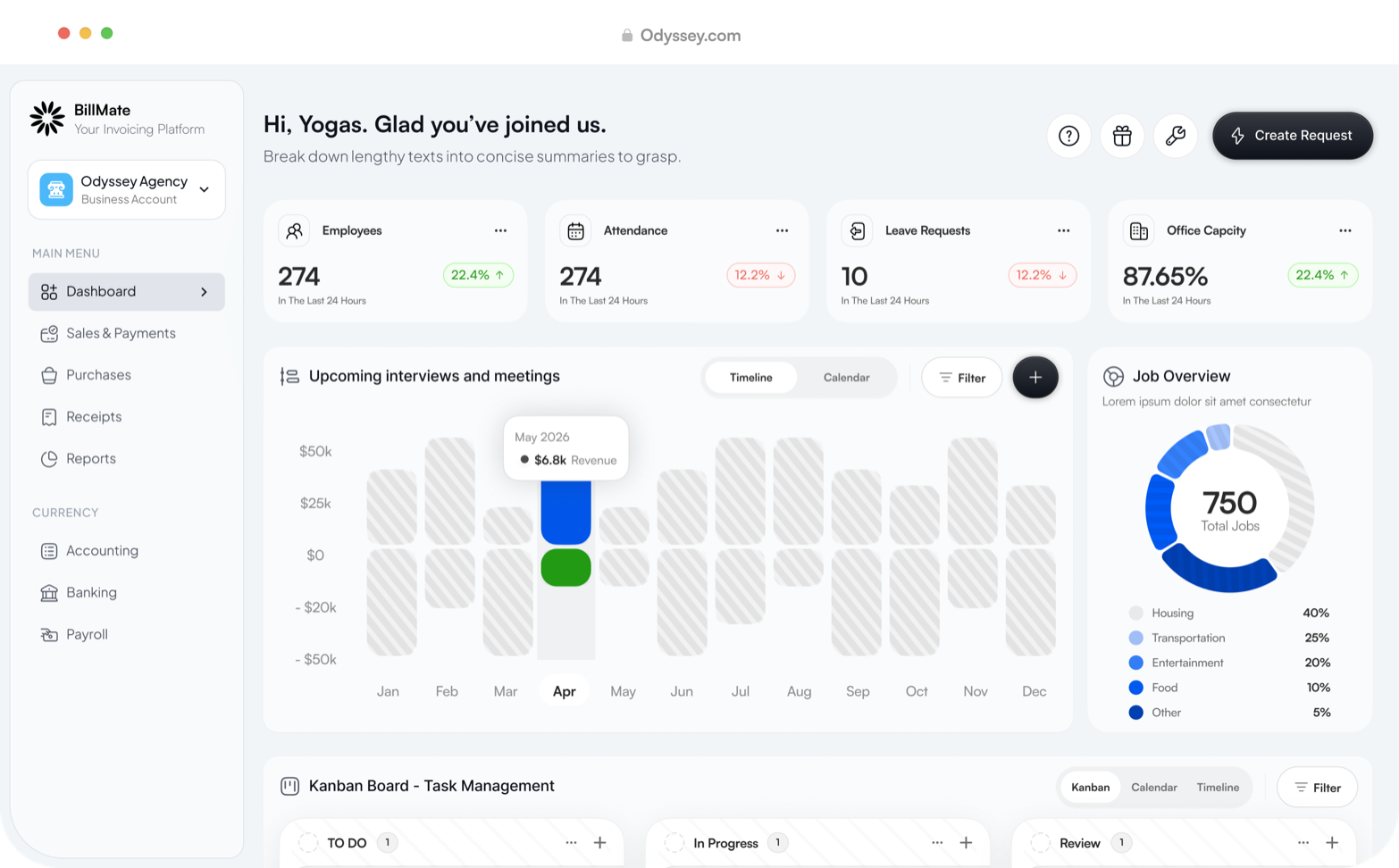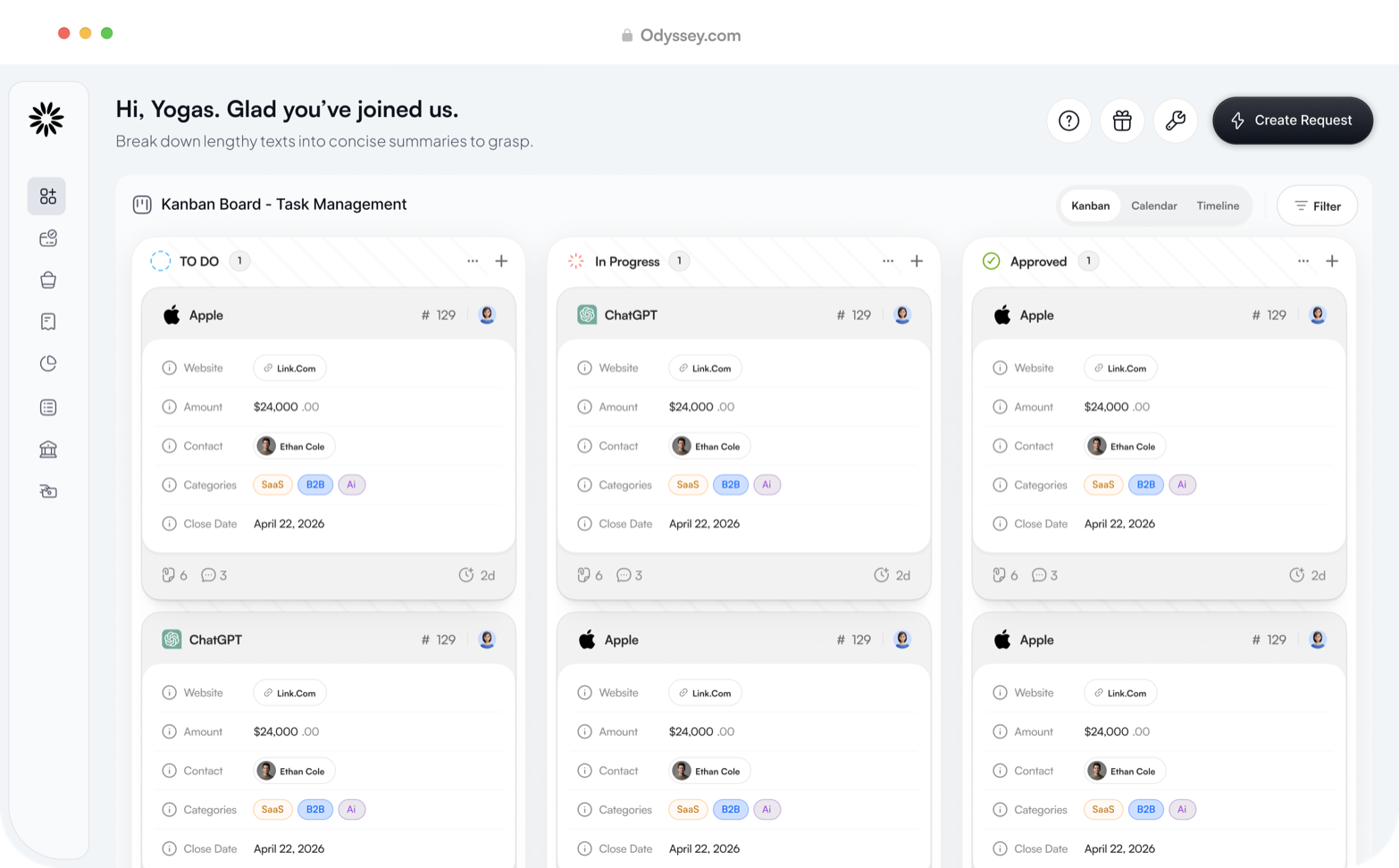

Most AI coding assistants generate UI from a frozen snapshot of the public internet. They guess at your props, invent imports and reach for components that never existed. The Odyssey MCP server closes that gap by exposing your library, its props, tokens and usage patterns, over the Model Context Protocol.
Why it matters
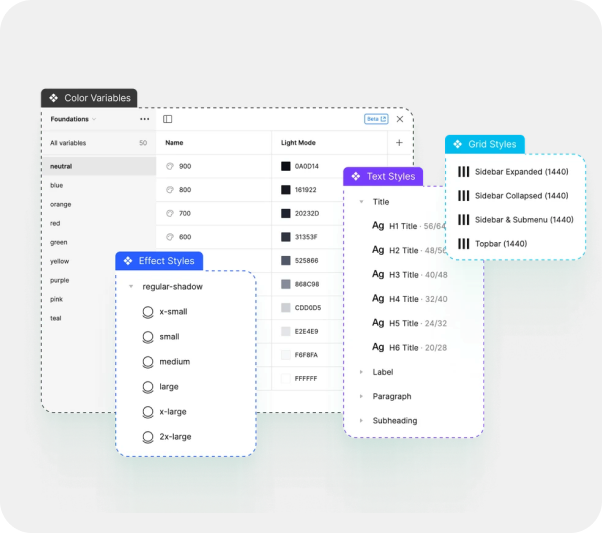
Odyssey is built code-first: strict types, RSC-safe components and a bundle budget measured in kilobytes. Everything in this post follows from that one decision: design and code share the same tokens, so what you see in Figma is what ships to production.
One endpoint, every tool
Connecting is a single config entry pointing at odyssey-mcp.dev. From there, any MCP-aware assistant (Cursor, Claude Code, Windsurf) can query the live schema for a component and get back the exact props, variants and tokens it supports. No copy-pasting docs, no stale training data.
Validated, not vibes
Every generation is checked against the real component schemas before code is written. Props that don't exist, missing required variants and invented imports are rejected, and the agent corrects itself. That is how we guarantee zero hallucinated props.
Where to go next
Browse the blocks library to see these ideas in practice, or wire up the MCP server so your AI tools build against the real component API instead of guessing. Either way, you own the code, with no lock-in.